Building and empowering DesignOps foundations
During a high-stakes, accelerated digital transformation, I stepped up to untangle 15 years of legacy process, by rebuilding and scaling a multinational, multidisciplinary design team from the ground up. This foundation has helped them to focus and deliver on what they do best, designing.
The program became the clearest proof of what DesignOps can do for any organisation and how it can directly impact the business.
Key Stats
3
Channels
App, Web, Tablet
120+
Journeys
300+
Features
1,600
Days estimated work
Without DesignOps
20
Weeks delivered
About Ignite, the digital transformation program, and its challenges
One of Synechron’s clients, at the centre of it was a multi-million dollar transformation, reimagining how a telco should operate from a conventional business, into innovative digital-first experience 🚀.
However, it was built on top of 15 years of legacy process – the fingerprints of the business had always prioritised physical work first. That same process had shaped the culture too: rigid SLAs, siloed teams, and last-minute priority changes that kept everyone from moving as one unit.
Transforming the technology was one thing, but transforming how people worked, their thoughts, and their culture, was a challenge entirely its own.
About Ignite’s experience design studio
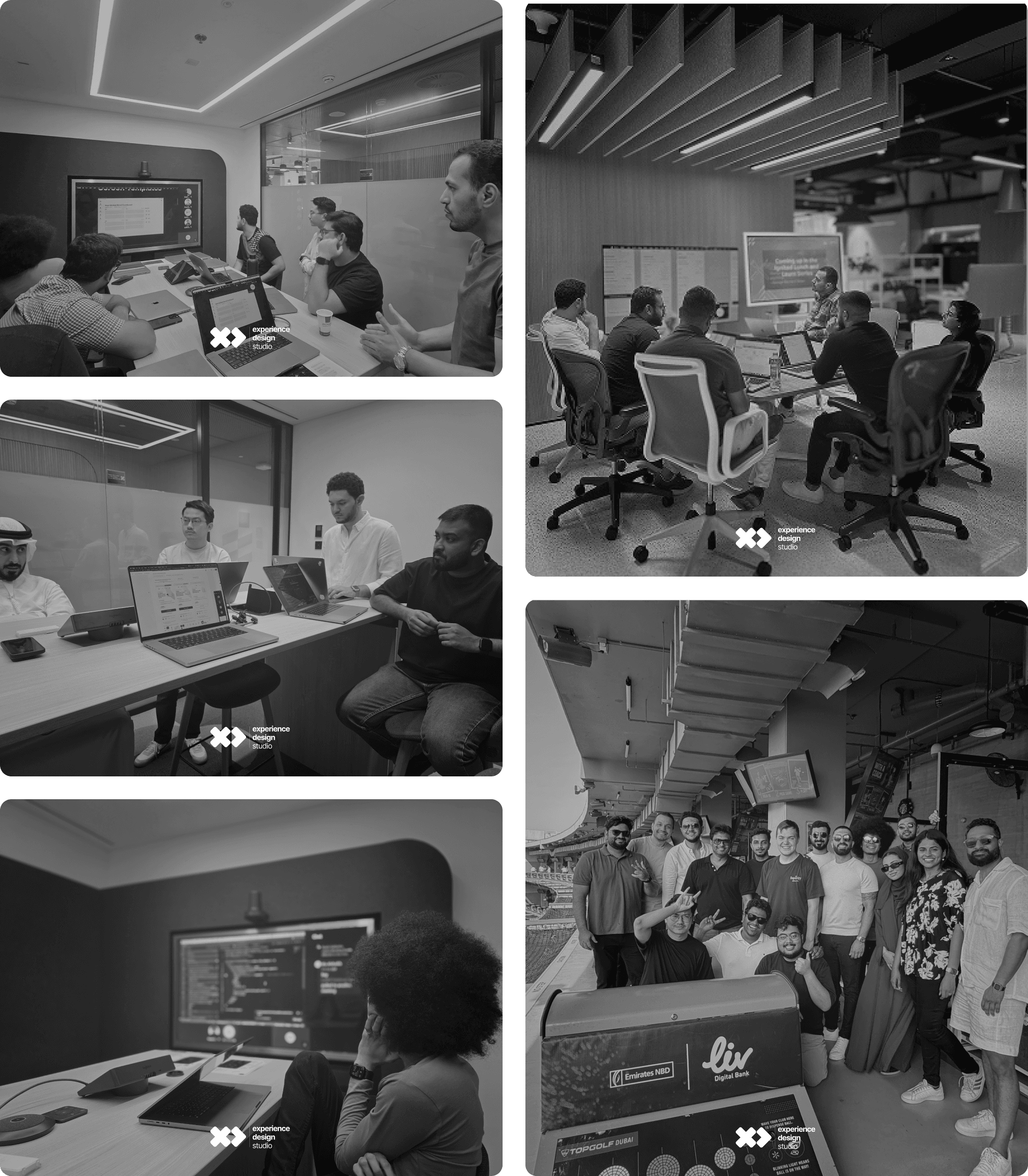
The design team covered strategy, design, copywriting, and UI development across 30+ members in 3 countries. I worked closely with the Head of Design to make sure his vision actually saw the light of day, and over time, became a fractional extension of the role itself.
But my reach didn't stop at the design team. I partnered with Heads of Business, Product, and Development – extending across 150+ interdisciplinary stakeholders in 10+ countries.
(Re)building the operational foundations at scale
I created a Human-First model at the centre of how we functioned, and then built processes that suited designers to help them focus on their high-quality craft, timely delivery, and user-centric innovation. In order to achieve this, I:
Invested time (and money) getting to know every designer on the team firsthand, understanding how they worked, who they worked with, and where the friction lived.
Built an end-to-end design process with clearly defined roles across every discipline, design and non-design alike — from requirement gathering all the way through to deployment.
Established a pair designing system, where one designer as generator, one as synthesiser — driving higher quality output and more effective problem solving.
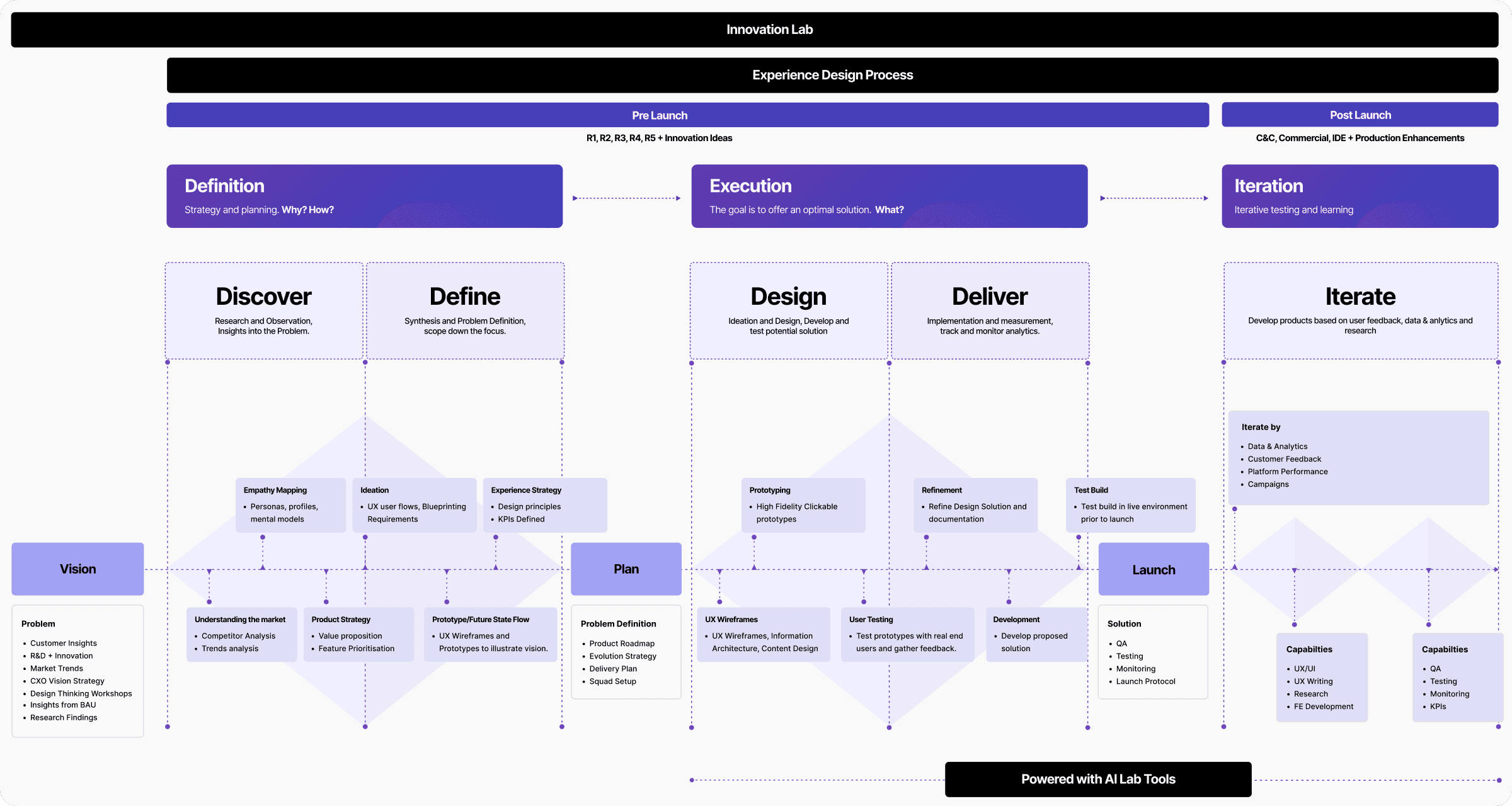
This isn’t your typical design process framework, rather the oversimplified version of the design process.
Embedding the foundations to the program
When Ignite kicked off, everything I'd built was about to be stress-tested at scale. I established a collaboration model built around four key factors, making sure everyone knew what they were doing, and where every work-related thing is located. Here's how it broke down.
Project pre-planning and scoping
Created UX strategy from product roadmaps, breaking down backlogs into sizeable chunks to prevent scope creep.
Mapped every journey at a high level to identify its reusability, cutting down delivery time immensely.
Strategic resourcing
Mapped the product roadmaps with the accurate design needs, and assigned each needs to profiles with the relevant skillsets.
Created a design task force to handle adhoc requests and last minute requirement changes.
Promote accuracy and transparency
Launched monthly design show-and-tell sessions; bringing key leadership and stakeholders directly into the design process.
Delivered weekly progress reports, giving a clear, honest read on where we are against the timeline.
Design and production support
Introduced design refinements session, where we bring stakeholders together to align feedback against the existing design before moving forward.
Managed end-to-end design QA, where we systematically comparing live builds against Figma designs to close every gap before handoff.

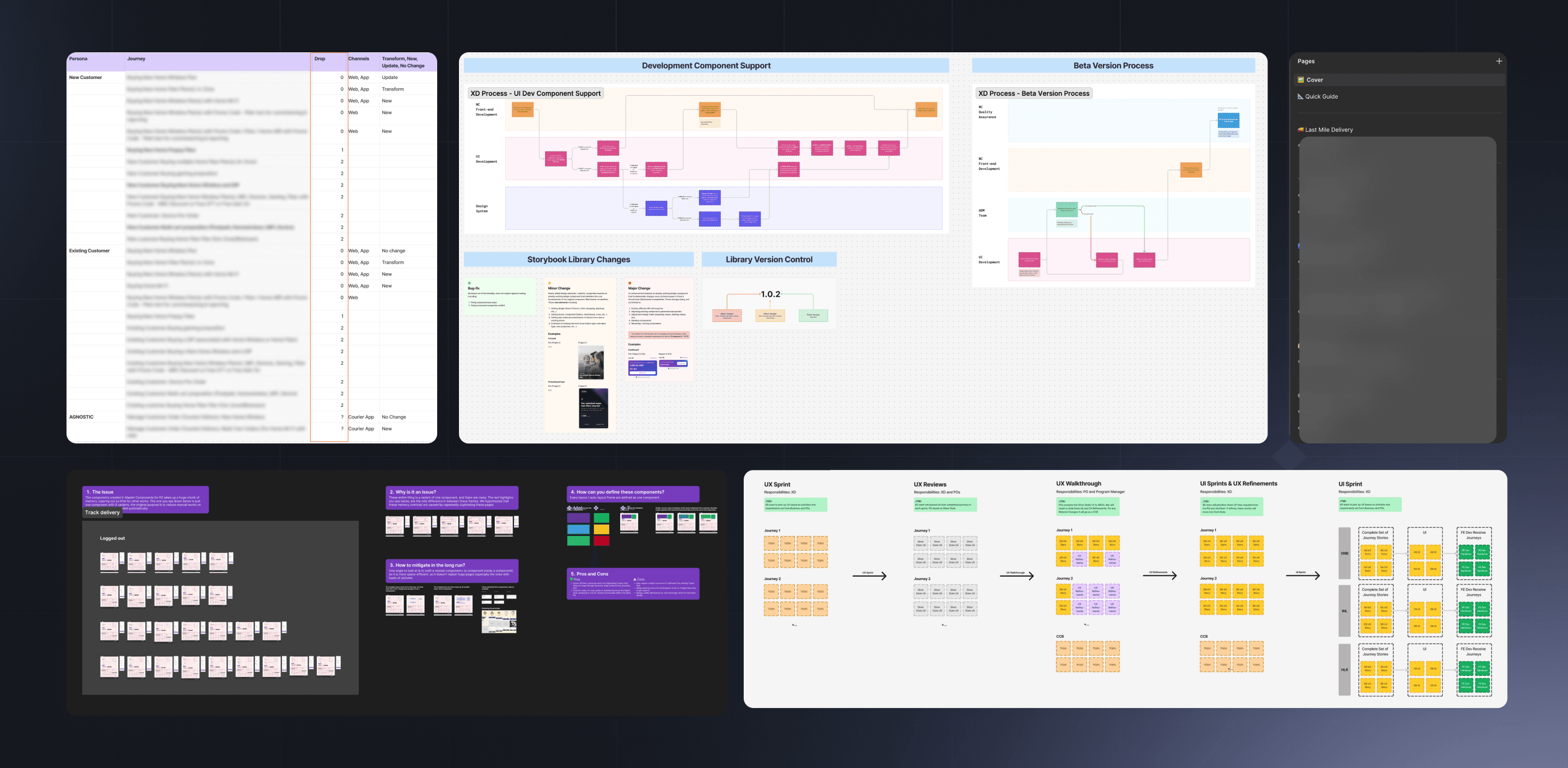
Helicopter view of all the Consumer Acquisition journey with all its features and its degree of reusability
Enabling Design System as non-negotiable
Design System is a core part of every deliverable, designers know that, well I raised that bar even higher. When I built the process foundations, I deliberately embedded it into the pipeline from the start, and reframed how the entire program thought about its role in delivery. Here’s what I did:
Established a sign-off process between designers, developers, and the design system team — embedding quality, governance, and consistency into every step of delivery.
Led the creation of a component template library with full English and Arabic (RTL) support, collapsing weeks of work into hours.
Co-led the strategy and vision for multi-brand design tokens, enabling seamless theme switching across the entire product.
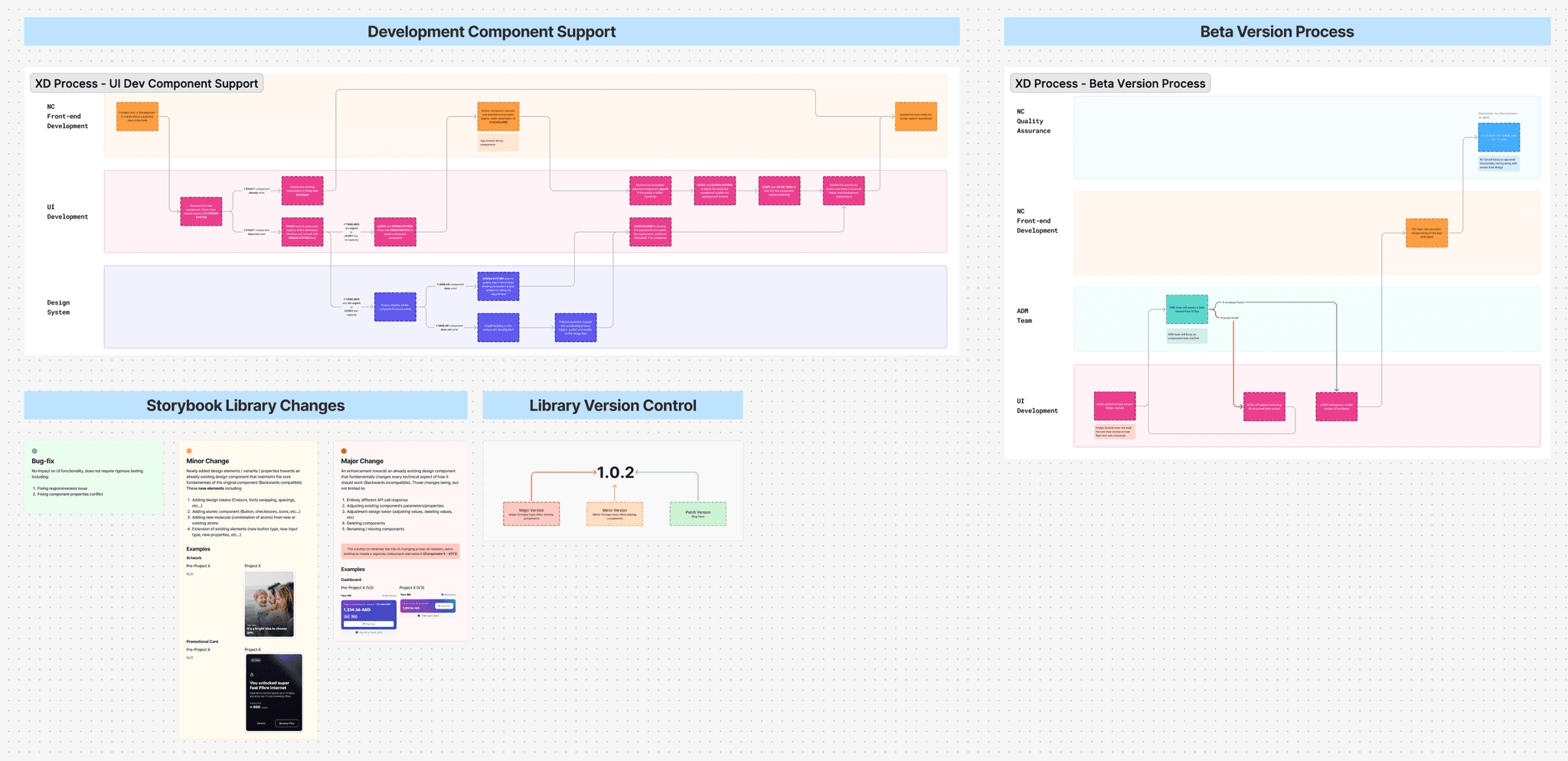
Preview of an extended process with the Design System and UI Storybook Developer team
For the first time ever, DesignOps wasn't operating quietly in the shadows. The impact was visible, tangible, and recognised.
I started as the person who made the vision real. Over just 18 months, I became a crucial part of the program that defined what that vision was. In other words, I:
Doubled delivery speed organisation-wide, embedding a more efficient design process that cut average turnaround time by 50%.
Reduced design-to-development handoff from an average of one month down to just 1.5 hours.
Turned the design system from a supporting asset into a non-negotiable part of the delivery pipeline.
Let’s get in touch 🤙🏼
I'm always open to conversations about Design Operations, design team building, or just exchanging notes on what's working and what isn't in the design industry.
Whether you're looking to bring on a DesignOps expert, want to collaborate, or just want to geek out about design systems and processes, feel free to contact me!
Reach me out